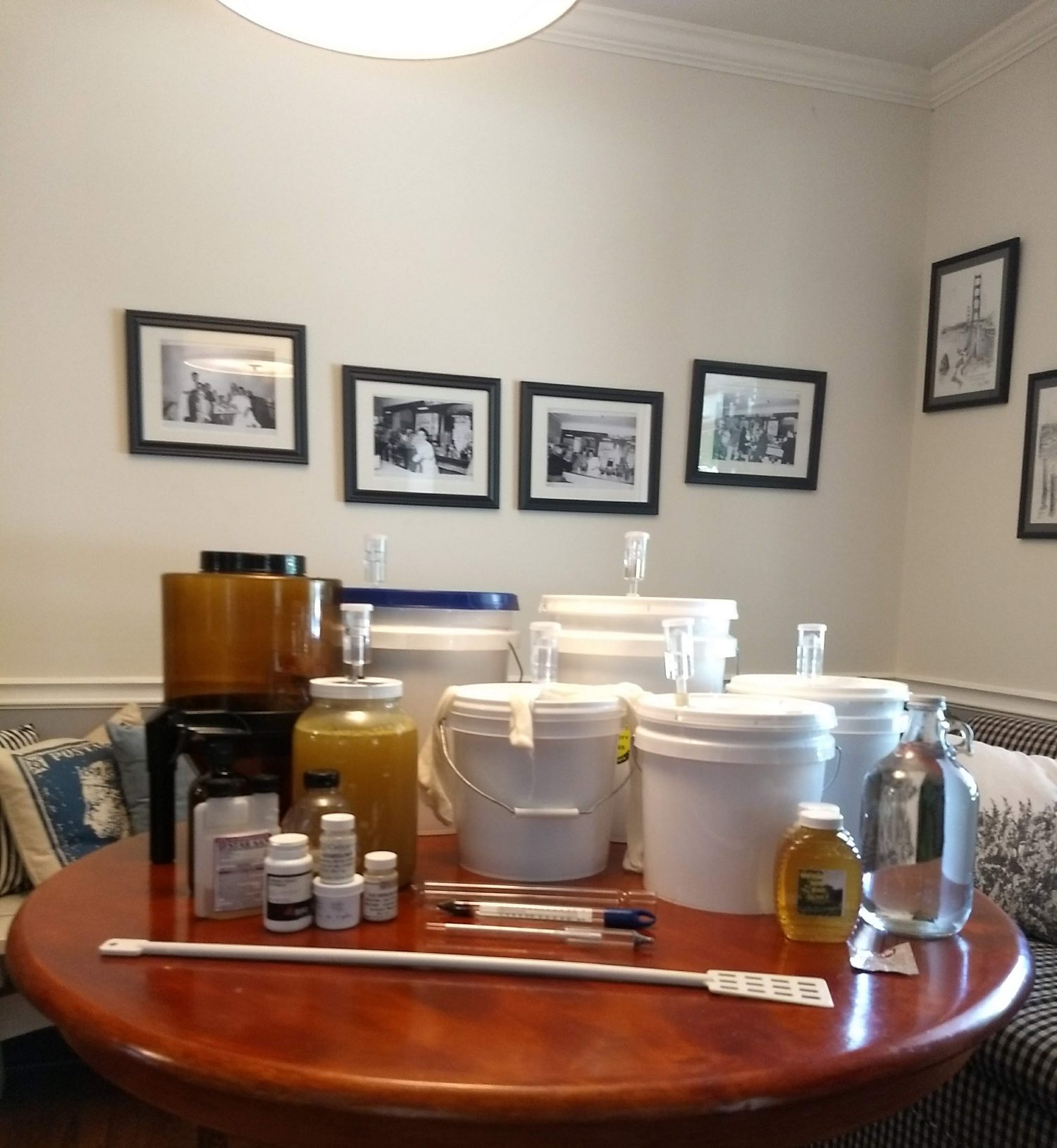
I like a plastic paddle with holes in it . Just a couple of bucks and the holes help with adding oxygen to the must while stirring and also degassing. But we all have some kind of spoon in our kitchen to stir with. Just a couple of things left.
I like a plastic paddle with holes in it . Just a couple of bucks and the holes help with adding oxygen to the must while stirring and also degassing. But we all have some kind of spoon in our kitchen to stir with. Just a couple of things left.
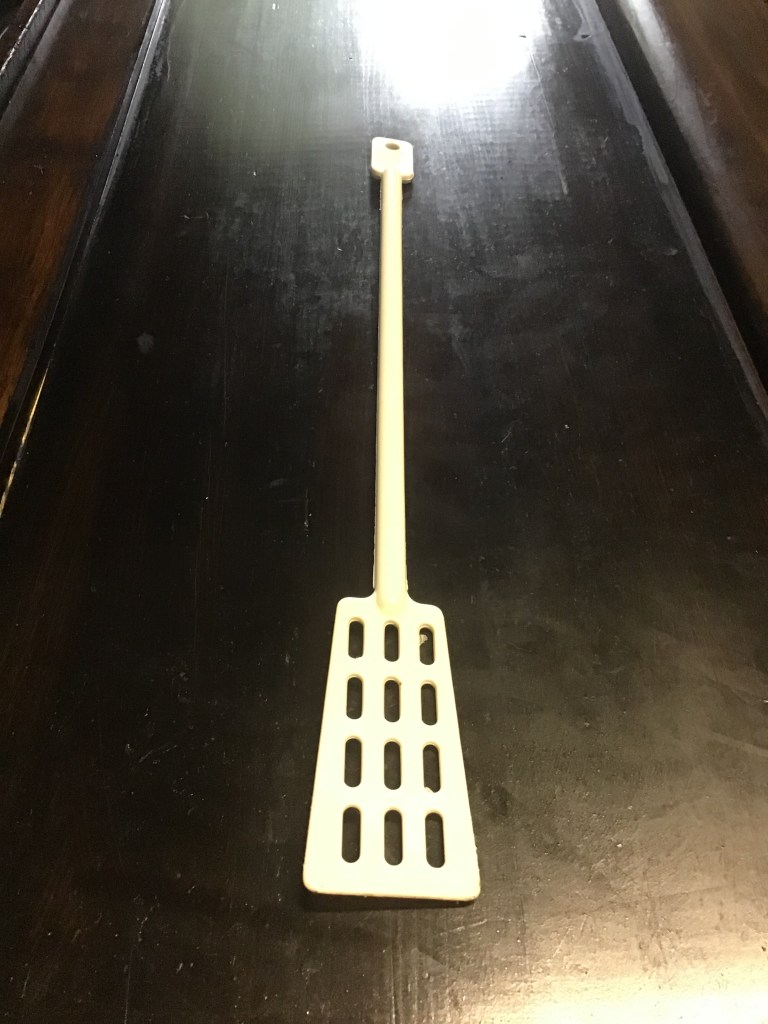
Triple scale hydrometer is a must have. For 10.00 dollars or less it allows you to know your alcohol content , your sugar content and did it ferment? Where are we in the ferment?
It comes with instructions, it’s easy you’ll see . Three scales the first is specific gravity . That’s just the fermentable substances in your must.
The second is potential alcohol by volume . When you mix your honey and water you can decide your alcohol content. You can make it low like six percent or you can make it 12 to 18 percentage. The hydrometer gives you the ability to have more control over what your making.
The third is Percent Sugar. No explanation needed.
I am going to start with Potential Alcohol. Standard Mead is about 12 percent. So if we started with 12 percent we fermented for 2 days and took a hydrometer reading and it was 2 that’s means we made 10 percent alcohol and have 2 percent more sugar left in the must.
Hang in there it’s easy . It will all tie together.
You can make up to 200 gallons of beer or wine per year with 2 or more adults in the household. Live alone 100 gallons per year for self consumption. Thank you President Carter.
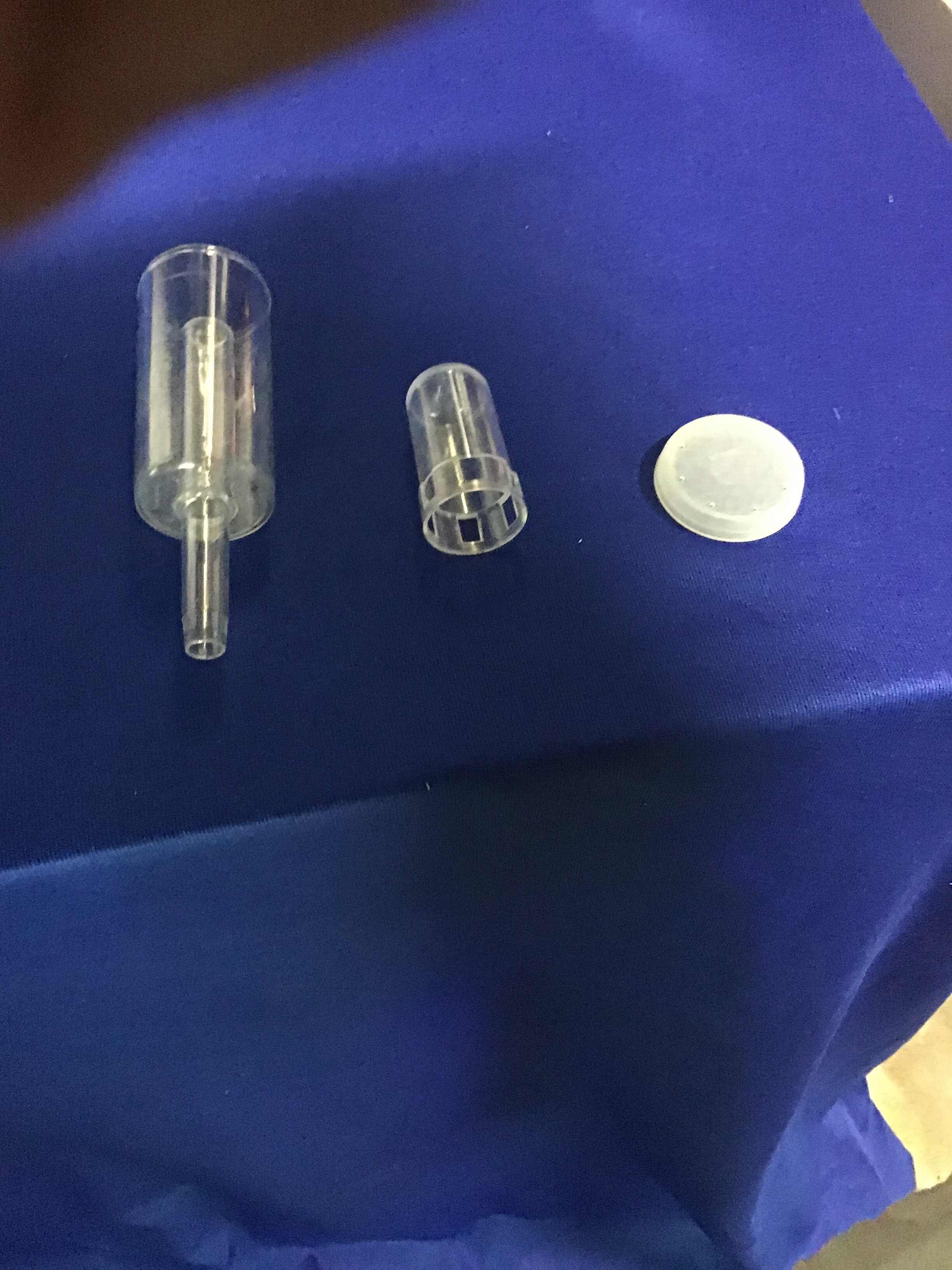
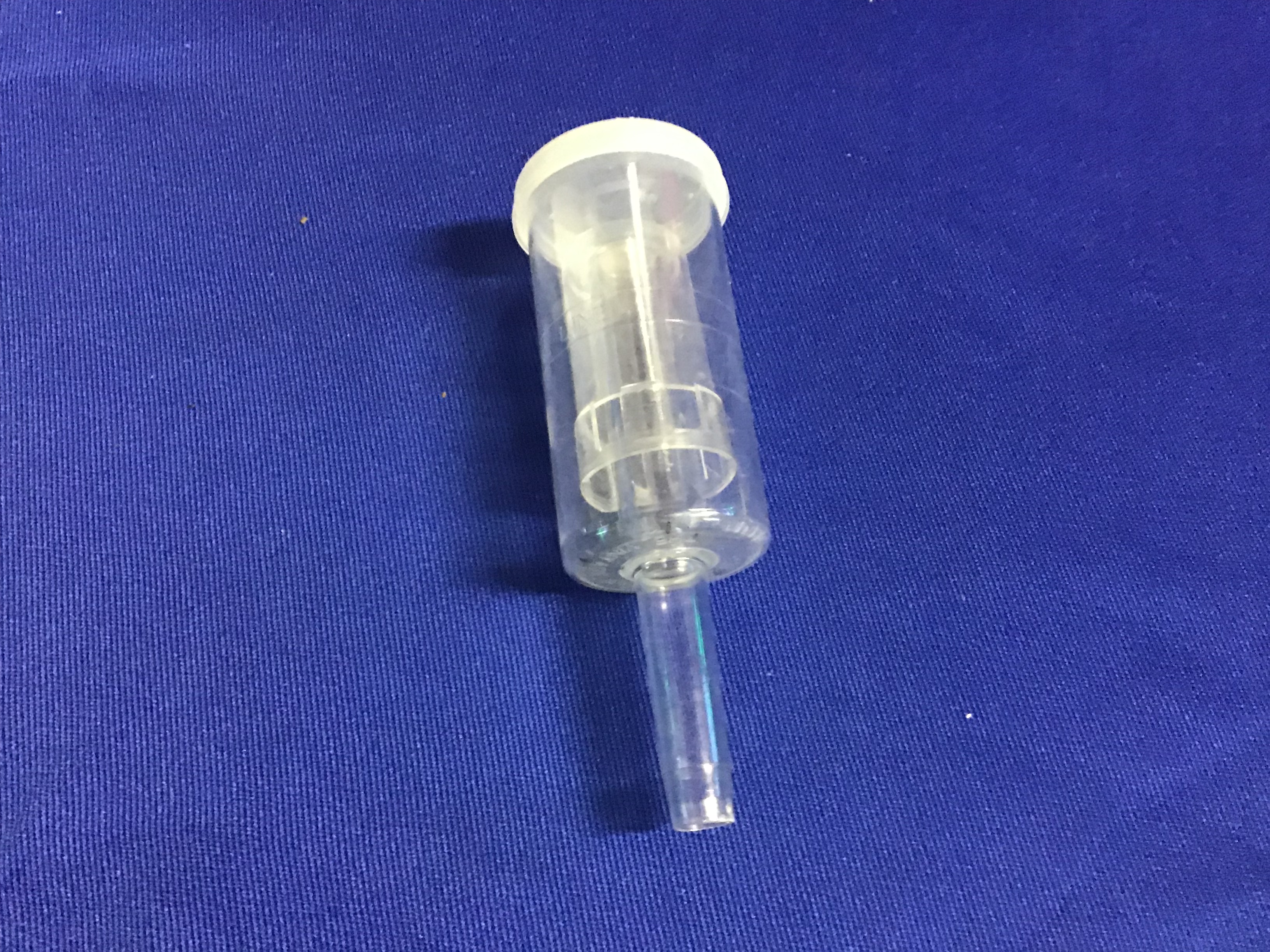
I like the 3 piece airlock , easy to clean, just fill with water to the fill line. Allows Co2 to escape without letting air in . Buy a half a dozen of these guys.
So to recap
1- Sanitizer
2- fermenter
3- airlock
2) 2 – Equipment Primary Fermenter
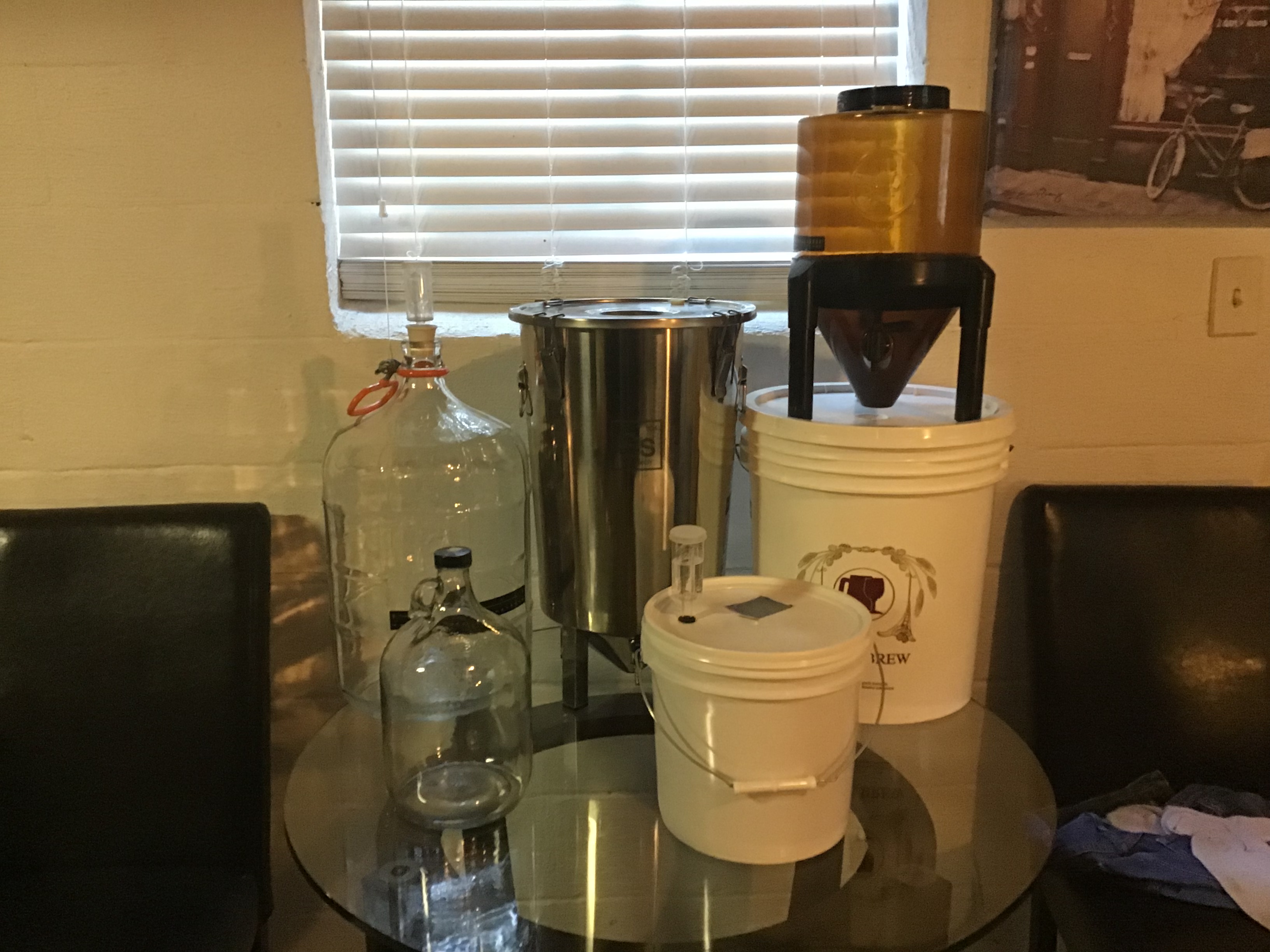
And yes size does matter… there are so many choices from a gallon jug to a seven gallon stainless brew bucket. My choice is start with a plastic two (2) gallon bucket and lid . The two (2) gallon bucket gives you room to add fruit. And the large open top is easy to add ingredients and stir things up.
You can buy a two gallon bucket at your local brew shop or online . Another good place is Lowe’s or Home Depot , they have food grade buckets and lids. You will just have to drill a hole in the lid and insert a silicone grommet for the airlock
And a six gallon bucket is my first choice for making dry mead. You need to make more because of the long aging process. And it goes faster than you can make it. You’ll see.
Basically You buy what you can afford . I started with a six gallon bucket and now I have many of all kinds . I do love to make and especially sample my different concoctions
Next is a container for secondary fermentation. It can be another bucket or this is a good time to use that one gallon jug. Empty two liter soda bottles can be used , there made to handle carbonation and you can split a batch making two different tasting meads from one.
I’ll show you that in a future videos….
2 ) 1 -Equipment Sanitizer
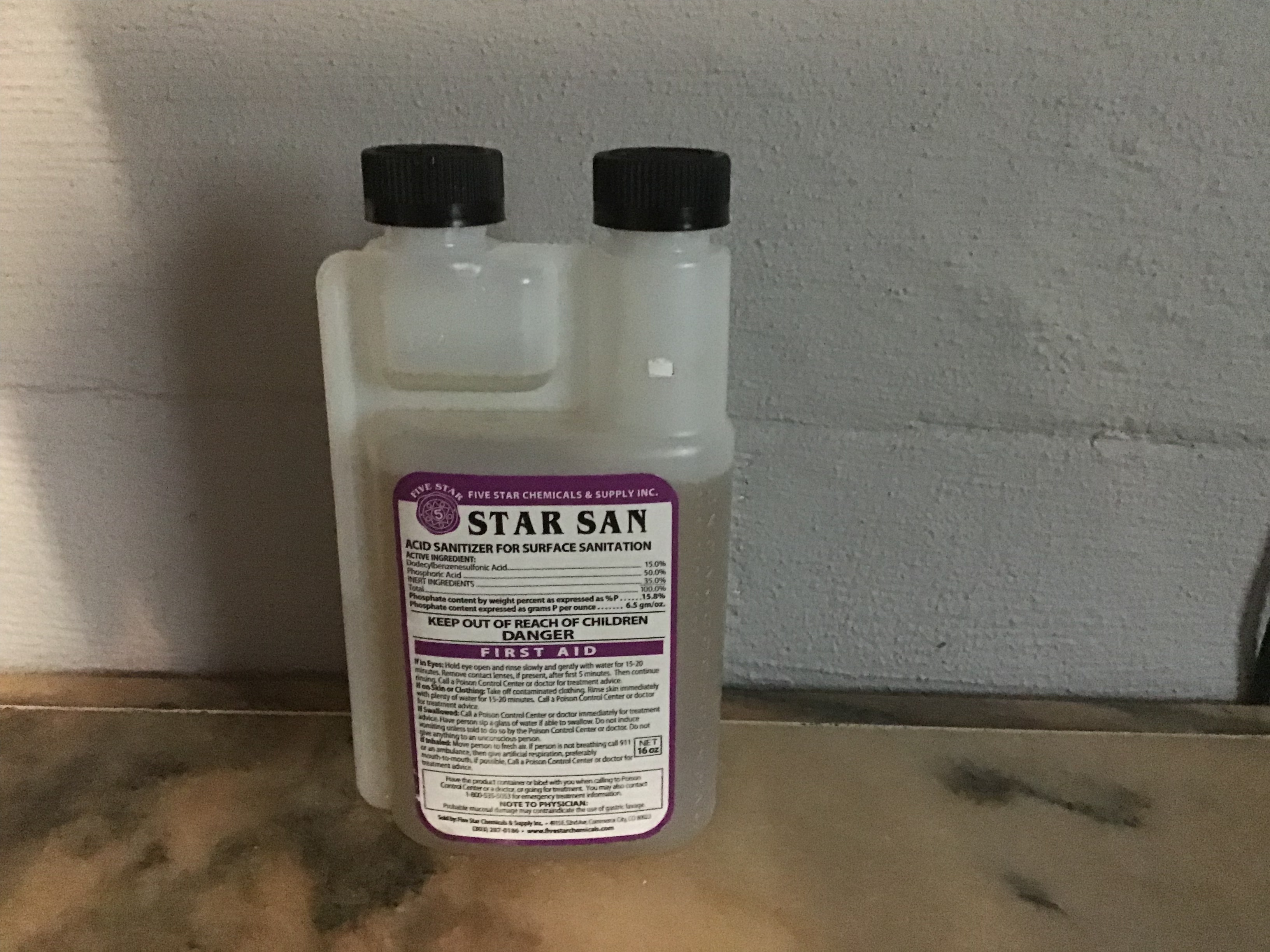
The first is a good sanitizer , everything that comes in contact with your mead needs to be clean and sanitized. I use STAR SAN. It’s a great acid sanitizer. One ounce of STAR SAN makes five (5) gallons of sanitizer. Don’t need five gallons then a quarter ounce makes 1.25 gallons of sanitizer.
Soak , spray or mop on with a rag . STAR SAN needs one (1) minute of contact time to sanitize with no rinsing
Don’t use bleach as a sanitizer. You ever clean with bleach and after rinsing can still smell it .thats all it takes to ruin your mead . Plus it not good for stainless Steel.
Honey + Water + Yeast = MEAD
The yeast consumes the sugar in the honey and produces alcohol and Co2
The yeast is alive and needs oxygen to survive.
1 We need Honey
2 Equipment
3 Other ingredients ( water, yeast, fruit, nutrients, spices )
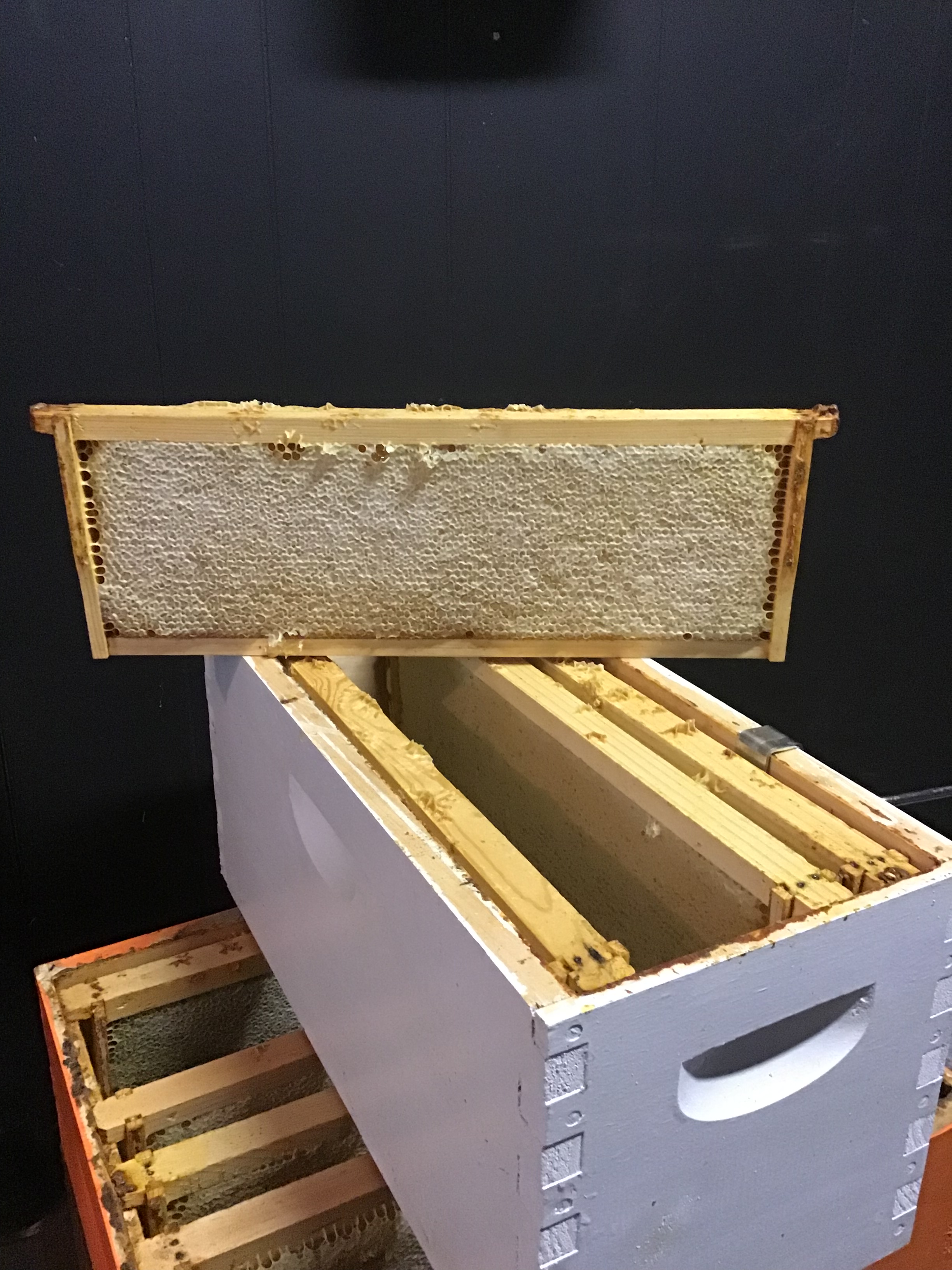
Honey is easy pull from a couple of hives and your good. Or buy from your favorite beekeeper or buy honey from the store . I won’t tell.
 Lets Make Mead